While hypersensitivity reactions to UEAs are extremely rare, when they do occur, they must be recognized promptly and managed appropriately. Most hypersensitivity reactions will be uncomfortable and alarming to patients, but fortunately most will be self-limiting. On rare occasions these reactions can be life-threatening, and immediate recognition by echo lab staff will help ensure that patients are managed correctly, thus ensuring optimal outcomes.
Often patients undergoing echocardiography have pronounced symptomology of hypertension, arrythmias, atrial fibrillation, and/or shortness of breath. Sometimes these symptoms can mask a hypersensitivity reaction, while paradoxically in other instances these types of symptomologies can be mistaken for a hypersensitivity reaction. Therefore, it is imperative that echo lab staff are capable of prescreening patients for possible risks for hypersensitivity reactions to UEAs and are fluent in differentiating hypersensitivity reactions from underlying cardiac symptomology and/or pathologies. In addition, all echo lab personnel need to become familiar with emergency protocols for managing patients with hypersensitivity reactions to UEAs.
After completing this activity, participants should be better able to:
- Discuss the incidence of adverse reactions to ultrasound-enhancing agents (UEAs)
- Differentiate mild hypersensitivity reactions from more serious anaphylactic reactions as well as underlying cardiac symptomology that could mimic UEA hypersensitivity reactions
- Review emergency protocols to effectively manage patients with adverse reactions to UEAs
- Summarize echo staff’s role and responsibilities in optimizing patient safety in the echo lab
The target audience for this activity includes adult and pediatric cardiologists, sonographers, nurses, and other
healthcare professionals practicing in echocardiography labs.
Approved by the Society of Diagnostic Medical Sonography (SDMS) for 1 SDMS CME Credit. SDMS CME Credit is accepted by the American Registry for Diagnostic Medical Sonography (ARDMS), American Registry of Radiologic Technologists (ARRT), Sonography Canada, and cardiovascular Credentialing International (CCI) toward their continuing education requirements. SDMS had no involvement in the development of this activity.
Release Date: TBD | Expires TBD
Faculty and Planner Disclosures:
As an accredited provider of continuing medical education, it is the policy of Northwest Imaging Forums, Inc. (NWIF) to ensure balance, independence, objectivity, and scientific rigor in all of its activities. In accordance with this policy, faculty and planners must disclose all relevant financial relationships with ineligible companies. Any relevant financial relationships have been mitigated by NWIF to ensure the integrity of the CE activity. The planner has nothing to disclose.

Jordan B. Strom, MD, MSc, FACC, FASE
Assistant Professor of Medicine
Harvard Medical School
Director, Echocardiography Laboratory
Division of Cardiovascular Medicine
Beth Israel Deaconess Medical Center
Section Head, Cardiovascular Imaging Research
Richard A. and Susan F. Smith Center for Outcomes Research in Cardiology
Boston, Massachusetts
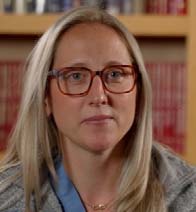
Jessica Stout, BS, RDCS, ACS, FASE
Sonographer and Technical Director
Beth Israel Deaconess Medical Center
Boston, Massachusetts