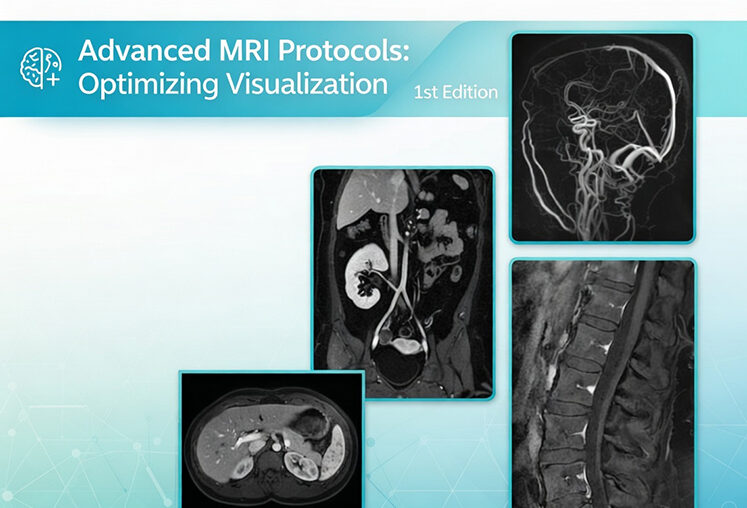
Magnetic resonance (MR) imaging and MR angiography continue to advance through improvements in magnet strength, coil design, pulse sequences, contrast agents, and imaging protocols, expanding their role in cardiovascular, neurologic, and body imaging. While these innovations enhance diagnostic accuracy and procedural guidance, gaps remain in clinician education related to MR safety and contrast use, including nephrogenic systemic fibrosis (NSF), acute adverse reactions, and gadolinium retention. Historically, these topics have not been consistently incorporated into core training, and available resources often lack practical, implementation-focused guidance. This enduring monograph addresses these gaps by providing evidence-based education to support safe, informed, and effective use of contemporary MR technologies in clinical practice.
At the completion of this activity, the participant will be able to:
- Describe 1.5T and 3T MR protocols that provide optimal visualization of difficult-to-identify abnormalities and lesions
- Review where and when gadolinium-based contrast agents (GBCAs), including high-relaxivity agents are most appropriate in terms of visualization of lesions and/or reducing the incidence of contrast-related adverse events
- Discuss possible acute and chronic adverse reactions to GBCAs including anaphylactoid reactions, nephrogenic systemic fibrosis (NSF), and gadolinium retention
The content of this contrast enhanced MRI program is intended for healthcare professionals who work in the MRI environment. These individuals include MRI technologists, imaging nurses, MRI researchers, and others.
This program has been approved for 2.25 hours of Category A CE credit as designated by the International Society for MR Radiographers & Technologists (ISMRT) RCEEM. Additionally, this activity may be available in multiple formats or from different sponsors. ARRT regulations state that an individual may not repeat an activity for credit if it was reported in the same or any subsequent biennium.
Release Date: 03/11/2026 | Expiration Date 03/11/2027
Participants may claim only one type of credit for this educational activity.
Faculty and Planner Disclosures:
As an accredited provider of continuing medical education, Northwest Imaging Forums, Inc. (NWIF) ensures balance, independence, objectivity, and scientific rigor in all its educational activities. In accordance with the ACCME Standards for Integrity and Independence in Accredited Continuing Education, all faculty and planners are required to disclose all financial relationships with ineligible companies within the last 24 months. All relevant financial relationships have been mitigated by NWIF to ensure the integrity of the CME activity. The planner has nothing to disclose.